
A practical guide to habits that survive busy, imperfect days
Most wellness routines fail for one simple reason: they’re designed for ideal days, not real ones. They assume perfect mornings, high motivation, unlimited time, and zero disruption. Real life doesn’t work like that. Meetings run late. Energy dips. Plans change. When a routine can’t bend, it breaks. A daily wellness routine only works if it survives ordinary days not perfect ones.
What a “Stickable” Routine Really Is
A daily wellness routine is a small set of repeatable actions that support health without relying on motivation or perfect conditions. It isn’t a schedule. It isn’t a plan. And it doesn’t ask you to do everything at once. The goal isn’t optimisation. It’s repeatability. If you can do something consistently on your busiest, messiest day, it counts.

Start With One Anchor, Not a Full Plan
The biggest mistake people make is trying to fix everything at once — hydration, movement, sleep, nutrition, supplements — all in the same week. Instead, start with one anchor habit.
An anchor habit is:
- Easy to start
- Easy to repeat
- Already close to something you do every day
Examples include:
- Drinking a glass of water when you wake up
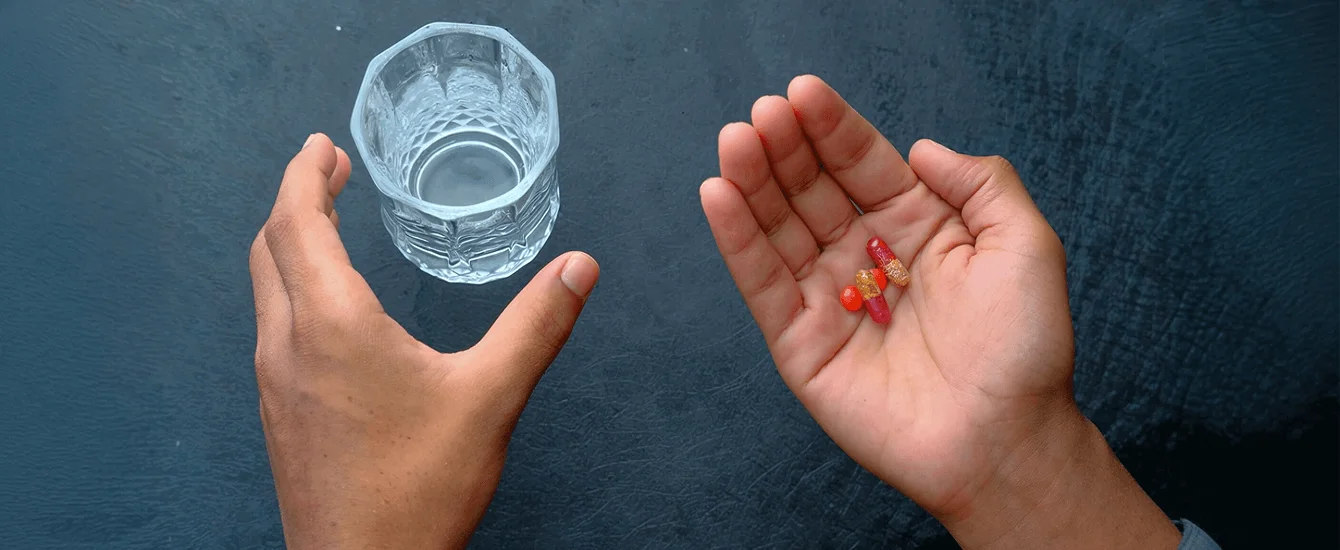
- Taking a daily supplement at the same time each morning
- A 5-10 minute walk after lunch
- Stretching while the kettle boils
One anchor is enough. Everything else can build later.
Attach, Don’t Add
New habits stick best when they’re attached to existing routines not added as separate tasks. Instead of saying: “I’ll remember to hydrate more”
Try: “I drink water when I make my morning coffee”
The less thinking required, the more likely the habit is to stick.

Design for Low-Energy Days
A routine that only works when you feel motivated isn’t a routine — it’s a mood. A good daily wellness routine has a low minimum. Ask yourself: What’s the smallest version of this habit I can still do?
What does “good enough” look like on a tired day?
If your minimum feels almost too easy, you’ve probably designed it correctly.
| Principle | What It Looks Like |
|---|---|
| Anchor habit | One small daily action |
| Attachment | Linked to an existing routine |
| Low minimum | Easy enough for tired days |
| Consistency | Repeated more than perfected |
Why Consistency Beats Intensity
Progress in health rarely comes from dramatic changes. It comes from small actions repeated often. Daily hydration beats occasional detoxes. Regular movement beats extreme workouts. Simple, consistent nutrition beats short-term plans. Wellness compounds quietly and only when actions are repeatable.
A Simple Way to Build Your Routine
If you’re starting from scratch, keep it simple:
- Choose one anchor habit
- Attach it to an existing daily action
- Define a low minimum you can always hit
- Repeat without adjusting too quickly
You don’t need more structure yet. You need proof that consistency is possible.
The OneDose Approach to Routines
At OneDose, we think of routines as daily inputs – small, repeatable actions that fit real life and compound over time. Minimal friction. Designed for ordinary days. When habits fit your day, consistency stops being hard and wellness becomes something you can actually maintain.